Why 85% of Online Shoppers Ignore Static Size Charts — and What Fashion E-Commerce Should Do Instead

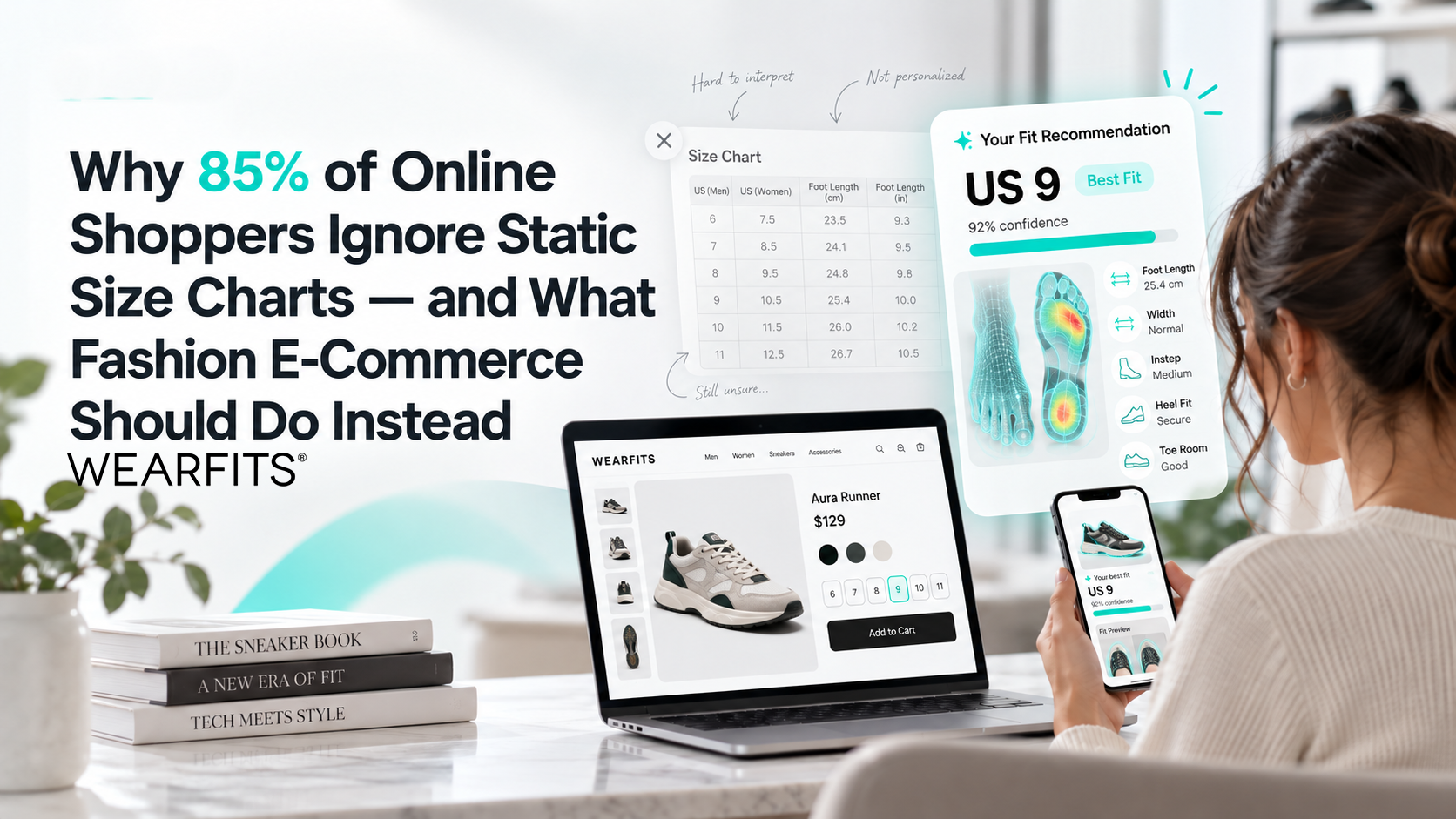
For decades, fashion and footwear e-commerce has relied on one familiar tool to help customers choose the right size: the static size chart. Usually hidden below a product description or placed behind a “Size Guide” link, these tables were designed to translate body measurements into standardized product sizes.
The problem is that online shoppers rarely use them.
Industry observations indicate that more than 85% of shoppers ignore traditional size charts, while fewer than 15% actively open them during the buying journey, according to the Shopify Try-On UX Playbook.
At WEARFITS, we see this behavior not as a lack of customer engagement, but as a clear signal that the traditional sizing experience no longer matches the expectations of modern e-commerce.
Consumers want fast, intuitive, personalized guidance. Static tables require them to stop browsing, understand measurements, interpret brand-specific sizing systems, and then decide whether a number on a chart actually reflects how a product will fit their body.
That is a lot of work for something that should feel simple.
Research from sizing technology providers reinforces this problem. According to analysis referenced by WAIR and Prime AI’s study of 1 million fashion returns, more than 80% of consumers consider size charts unreliable because sizes vary widely between brands, product categories, collections, and manufacturing processes.
A “Medium” in one brand may fit like a “Large” in another. A US size 9 shoe may feel completely different depending on the shape of the last, width profile, material construction, or intended use of the product.
When customers cannot trust a chart, they usually fall back on two behaviors: they either guess or they bracket.
Bracketing means ordering several sizes of the same item with the intention of keeping one and returning the rest. It gives the customer more confidence, but transfers the cost of uncertainty directly to the retailer.
That cost is substantial.
Research cited by Wanna Clothes based on Coresight Research and FitEz suggests that approximately 53% to 77% of fashion e-commerce returns are related to fit and sizing uncertainty. At the same time, Esenca Sizing estimates that apparel returns cost US retailers more than $38 billion per year, with around $25 billion associated with reverse logistics, restocking, processing, and inventory depreciation.
For fashion and footwear brands, this makes sizing much more than a UX detail. It is a conversion issue, a profitability issue, and increasingly a core part of e-commerce infrastructure.
Why Traditional Size Charts Create So Much Friction
The biggest weakness of a traditional size guide is that it requires the shopper to perform too many actions before receiving an answer.
A customer typically has to find the size guide, open it, understand which measurements matter, know their own measurements, compare them against the table, interpret the sizing system, and finally decide whether those measurements reflect the actual shape and fit of the product.
Each extra step introduces friction.
In many cases, shoppers do not know their exact foot length, waist circumference, chest width, shoulder width, or inseam. They may not have a measuring tape nearby, and they are unlikely to interrupt an active shopping session to measure themselves.
International size conversions create another layer of complexity. Shoppers may need to compare EU, US, and UK systems or interpret brand-specific differences that make nominally identical sizes fit differently.
More importantly, a static size chart describes dimensions, not three-dimensional fit.
It cannot properly explain foot width, instep height, arch geometry, garment drape, body proportions, pressure zones, or the difference between a narrow performance silhouette and a wider lifestyle fit.
This is why customers frequently choose the fastest path: they guess.
And when the perceived risk of guessing becomes too high, they order multiple sizes.
For retailers, this means that the traditional size chart often fails precisely when it matters most: at the final stage before purchase.
The Real Cost of Size Uncertainty in Fashion E-Commerce
Sizing errors are not limited to customer frustration. They affect logistics, margins, customer retention, inventory efficiency, and conversion rates.
Online fashion return rates can reach approximately 20.8% to 30%, according to the Esenca Sizing analysis, making digital retail significantly more exposed to returns than traditional physical stores.
A returned product generates costs at multiple stages.
The retailer may need to cover or subsidize return shipping, inspect the item, repackage it, update inventory, process the refund, and potentially discount the product if its packaging or condition has deteriorated.
For footwear and structured fashion products, this can be especially expensive because boxes, inserts, tags, and presentation materials are more likely to become damaged during repeated shipping and handling.
The cost per returned order can range from approximately $10 to $35, depending on product category and fulfillment model, according to figures summarized by Esenca Sizing and broader logistics data.
Return policies also increasingly affect customer loyalty.
Research published by The Industry Fashion / Makip found that 52% of online shoppers do not want to pay return fees when a retailer has failed to provide accurate sizing information.
This creates a difficult choice for brands.
Absorbing return costs damages margins. Passing those costs to the customer can damage conversion, satisfaction, and Customer Lifetime Value.
A better solution is to reduce uncertainty before the transaction happens.
Why Standalone Size Recommendation Tools Are Not Enough
Many fashion retailers have already tried to improve the shopping experience through separate size recommendation widgets.
These systems often ask customers to provide information such as height, weight, age, preferred fit, or the size they wear in another brand.
This is an improvement over a basic static chart, but it still leaves one important problem unresolved: fragmentation.
When size recommendation and visual product evaluation happen in different interfaces, the shopper is forced to switch context.
They may use one tool to see the product and another tool to estimate the correct size.
For example, a customer may receive a recommendation for size Large but still have no visual understanding of how that specific size will sit on their body. In footwear, they may be told to select size 9.5 without understanding whether the recommendation is based on toe clearance, width, instep volume, or overall foot geometry.
The recommendation may be technically correct, yet still feel abstract.
At WEARFITS, we believe fit guidance becomes much more powerful when it is integrated directly into the visual product experience.
Instead of separating “How does it look?” from “Will it fit?”, modern e-commerce should answer both questions in the same interaction.
Bringing Fit Guidance Into the Virtual Try-On Experience
The next generation of sizing technology combines virtual try-on, automated measurement, product geometry, and personalized fit recommendations inside one shopping experience.
This is a major shift from passive sizing information toward interactive fit guidance.
When customers can access sizing recommendations directly inside an AR or 3D try-on interface, several sources of friction disappear.
They no longer need to search for a separate size chart. They do not need to manually translate centimeters into a specific sizing system. They do not need to switch between several pop-ups, product pages, and external instructions.
Instead, fit becomes part of the product experience itself.
A shopper can see the product, understand how it relates to their own body or foot, and receive a size recommendation within the same flow.
This is especially valuable for footwear, where product fit depends on much more than length alone.
How AI-Powered Fit Technology Works
Modern virtual fitting technology can combine several technical layers to deliver more personalized and more intuitive sizing support.
Edge-AI Smartphone Measurement
One of the most important developments is the ability to estimate physical feet measurements directly through a smartphone camera.
Depending on the implementation, the technology can analyze spatial geometry and use camera data, depth information, or known reference dimensions to calculate measurements such as foot length, width, instep circumference, ball width, and heel width.
The key advantage is convenience.
Instead of asking the customer to locate a measuring tape and manually type measurements into a form, the technology assists with measurement inside the digital shopping journey.
This removes one of the largest barriers associated with conventional size guides.
Product Digital Twins and Brand-Specific Fit
Accurate sizing also requires detailed information about the product itself.
Two products labeled with the same numerical size can fit very differently because their internal geometry is different.
This is particularly important in footwear, where shoes may be designed using different lasts, width profiles, toe boxes, heel structures, materials, and performance requirements.
As explained by Bold Metrics, modern fit infrastructure increasingly depends on product-specific data rather than generalized size labels.
By combining customer measurements with digital product information, fit technology can move beyond the question “What size do you normally wear?” and focus on a much more useful question:
Which size of this specific product is most likely to fit you?
That distinction is critical.
Visual Fit Heatmaps
Another important step is turning sizing data into visual information that customers can understand instantly.
A fit heatmap can communicate areas of comfort, pressure, or potential mismatch using an intuitive visual layer.
For example:
Green areas can indicate an optimal or comfortable fit.
Yellow areas can represent a closer or snugger fit.
Red areas can highlight excessive pressure, pinching, or potential discomfort.
This type of visualization gives meaning to a recommendation.
Instead of simply telling a customer that size 9.5 may be better than size 9, the interface can help explain why.
That additional transparency can increase trust in the recommendation and reduce the urge to order several sizes “just in case.”
From Static Size Charts to Intelligent Fit Infrastructure
The broader change happening in fashion e-commerce is not simply the replacement of one widget with another.
It is the transformation of sizing from a passive reference tool into an active decision-support system.
A static chart waits for the shopper to interpret the data.
An intelligent fit system interprets the relevant data for the shopper.
That difference matters because modern online shopping is built around convenience, speed, personalization, and visual interaction.
Customers have become accustomed to personalized recommendations in streaming, marketplaces, advertising, social media, and search. Fashion sizing remains one of the few areas where many retailers still ask users to manually decode generic information.
For brands looking to modernize the Product Detail Page, sizing should therefore be treated as a central part of the digital product experience rather than a secondary utility hidden behind a text link.
How Better Fit Technology Can Improve Conversion
Removing uncertainty can have a direct effect on purchase confidence.
When shoppers feel more certain that they are selecting the right size, they have fewer reasons to delay a purchase, leave the PDP, search for additional reviews, or abandon the cart.
WEARFITS benchmarks indicate that integrating fit guidance into the virtual try-on experience can support approximately a 30% increase in conversion while contributing to around a 20% reduction in size-related returns, depending on implementation, product category, and customer journey design. More information about virtual try-on and sizing use cases is available in the WEARFITS Virtual Try-On & Sizing Blog.
The commercial value comes from improving both sides of the transaction.
The shopper gains confidence.
The retailer reduces uncertainty, unnecessary returns, reverse logistics, and bracketing behavior.
SEO Benefits of Interactive Sizing and Virtual Try-On
Advanced fit technology can also support a broader e-commerce SEO strategy.
Search optimization is no longer limited to keywords and metadata. User experience, product engagement, content quality, and interactive media all contribute to how effectively a product page serves search intent.
Longer Product Page Engagement
Interactive 3D and AR experiences can encourage shoppers to spend more time exploring a product.
Instead of quickly scanning images and leaving, users can interact with the item, test visualization features, explore fit information, and compare size recommendations.
This creates a richer PDP experience and can support stronger engagement signals.
Lower Bounce Potential
A shopper who receives useful fit guidance directly on the product page has fewer reasons to return immediately to Google and search for external sizing advice, product reviews, or alternative retailers.
Keeping important purchase information inside the PDP helps create a more complete customer journey.
Better Product Content
Interactive media, detailed product information, digital product assets, and structured product data can also strengthen the overall quality of an e-commerce product page.
For brands investing in Google Shopping, visual search, structured product schema, and rich product experiences, 3D and AR assets can become part of a broader search visibility strategy.
More Opportunities for Organic Backlinks
Innovative digital shopping experiences can also attract editorial attention.
Brands that introduce genuinely useful virtual try-on, AI sizing, body measurement, or interactive fit features are more likely to be referenced by fashion technology publications, retail media, e-commerce blogs, and industry analysts.
Those mentions can generate relevant backlinks and strengthen organic authority over time.
Why Fit Should Be Treated as E-Commerce Infrastructure
The traditional approach to sizing assumes that a customer is willing to solve the fit problem independently.
Modern shoppers increasingly expect retailers to solve it for them.
That does not mean eliminating size information. It means delivering that information in a form that is easier to understand, more personalized, more visual, and more closely connected to the product being considered.
For footwear and apparel brands, this requires connecting several layers:
customer measurement, product geometry, digital twins, computer vision, fit recommendation logic, AR visualization, and an intuitive user interface.
When those elements work together, sizing becomes more than a table of measurements.
It becomes a decision engine.
The Future of Online Sizing
Static size charts are unlikely to disappear overnight, but their role in the customer journey is changing quickly.
With more than 85% of shoppers skipping conventional size guides and an estimated 53% to 77% of fashion returns associated with fit and sizing problems, retailers cannot rely on static tables as the primary solution to online fit uncertainty.
The future lies in personalized, interactive, product-specific fit guidance.
By integrating technologies such as Edge-AI measurement, digital product twins, brand-specific geometry, AR virtual try-on, and visual fit heatmaps, fashion and footwear brands can make sizing easier to understand and more useful at the exact moment a shopper is deciding whether to buy.
For WEARFITS, the goal is simple: replace uncertainty with confidence.
When shoppers can see a product, understand how it is likely to fit, and receive relevant size guidance inside one seamless experience, the entire e-commerce funnel becomes more effective.
Customers spend less time guessing.
Brands face fewer unnecessary returns.
Product Detail Pages become more engaging.
And fit stops being a hidden support feature and becomes what it should be: a fundamental part of modern fashion e-commerce.
In 2026 and beyond, successful online retailers will increasingly move away from asking customers to interpret static measurements on their own. The strongest shopping experiences will bring together visualization, measurement, product data, and fit intelligence in one place.
That is where virtual try-on evolves from a visual feature into a practical conversion tool—and where sizing becomes a measurable competitive advantage.
Related posts
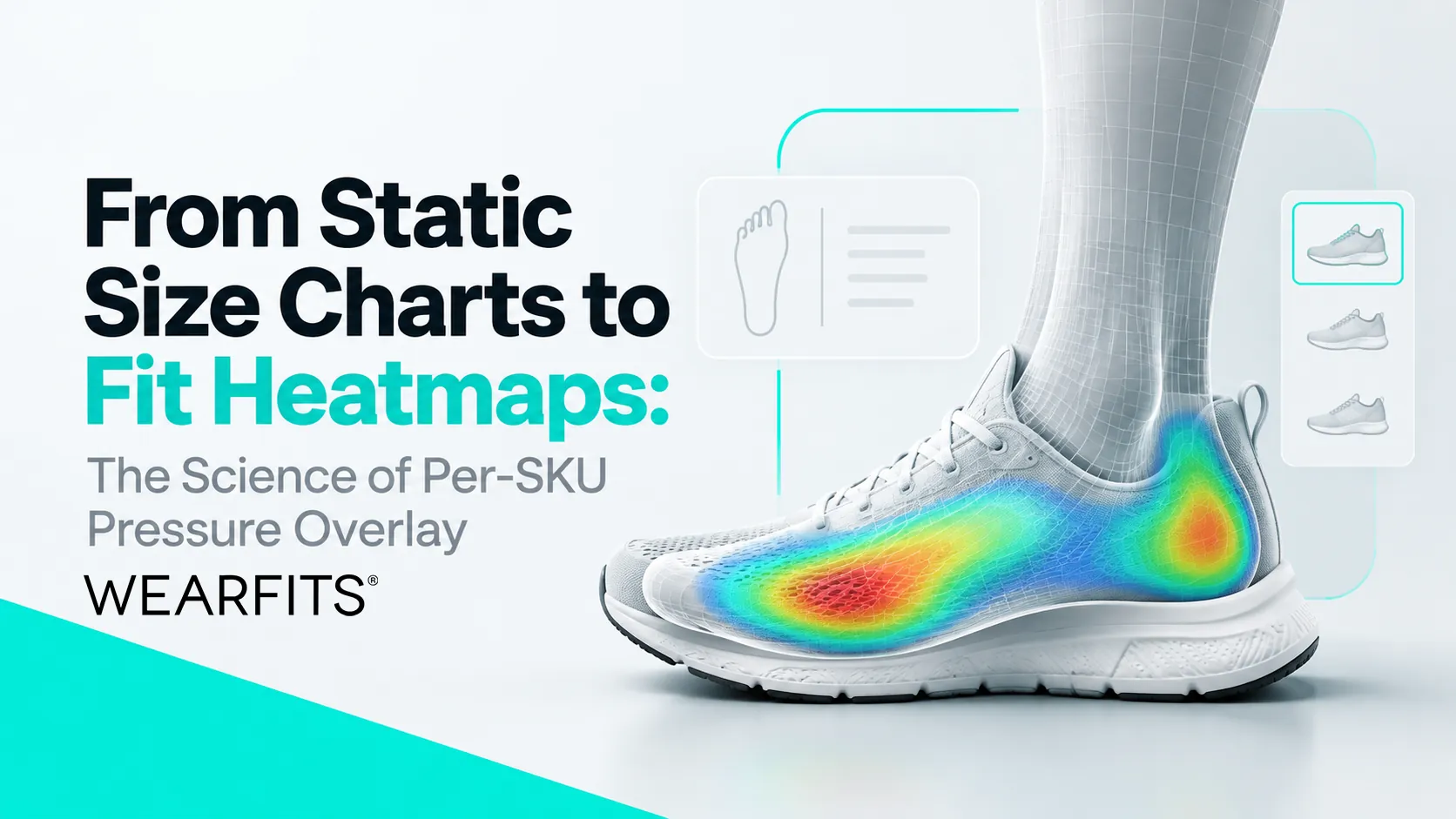
From Static Size Charts to Fit Heatmaps: The Science of Per-SKU Pressure Overlay
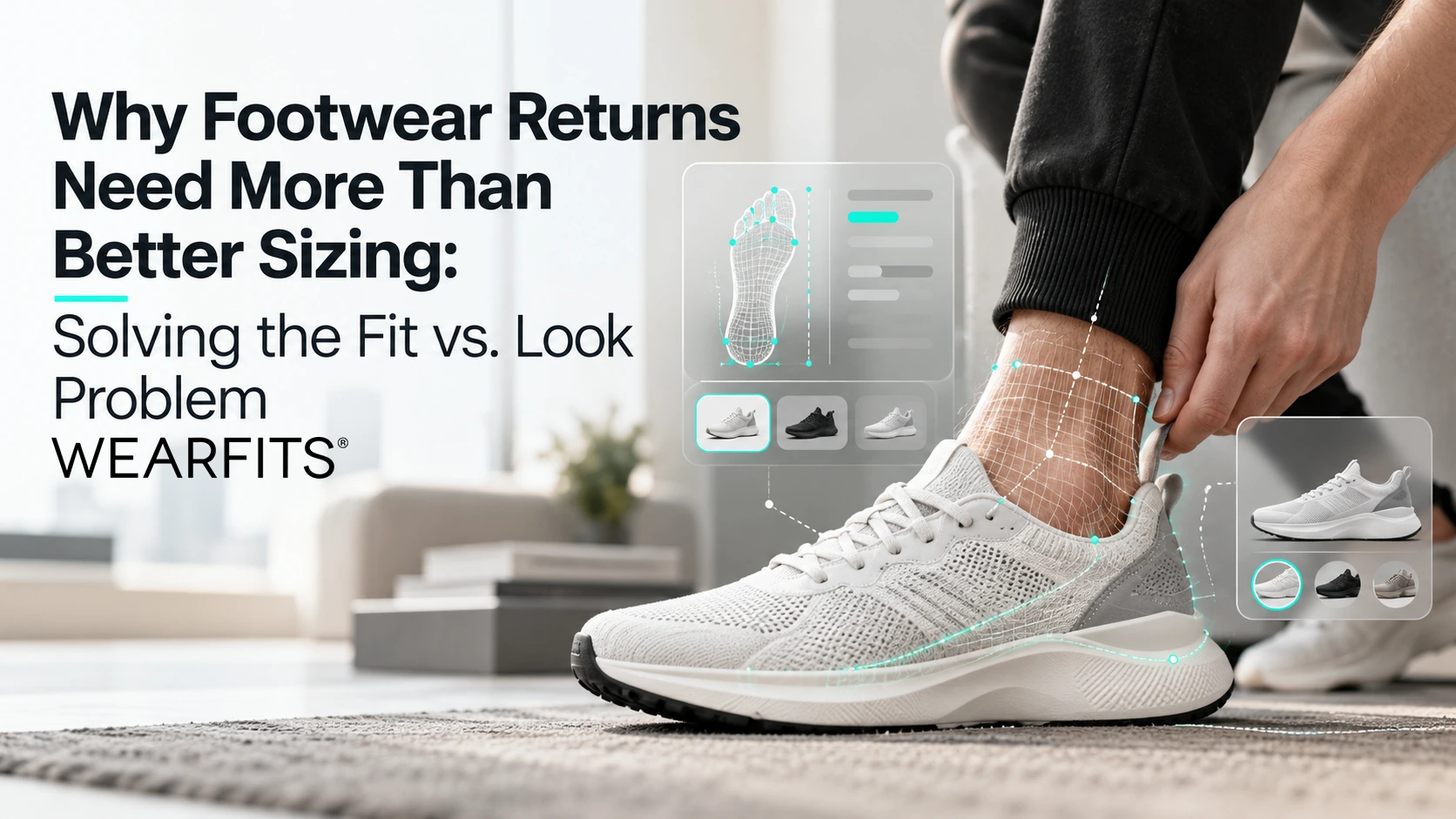
Why Footwear Returns Need More Than Better Sizing: Solving the “Fit vs. Look” Problem
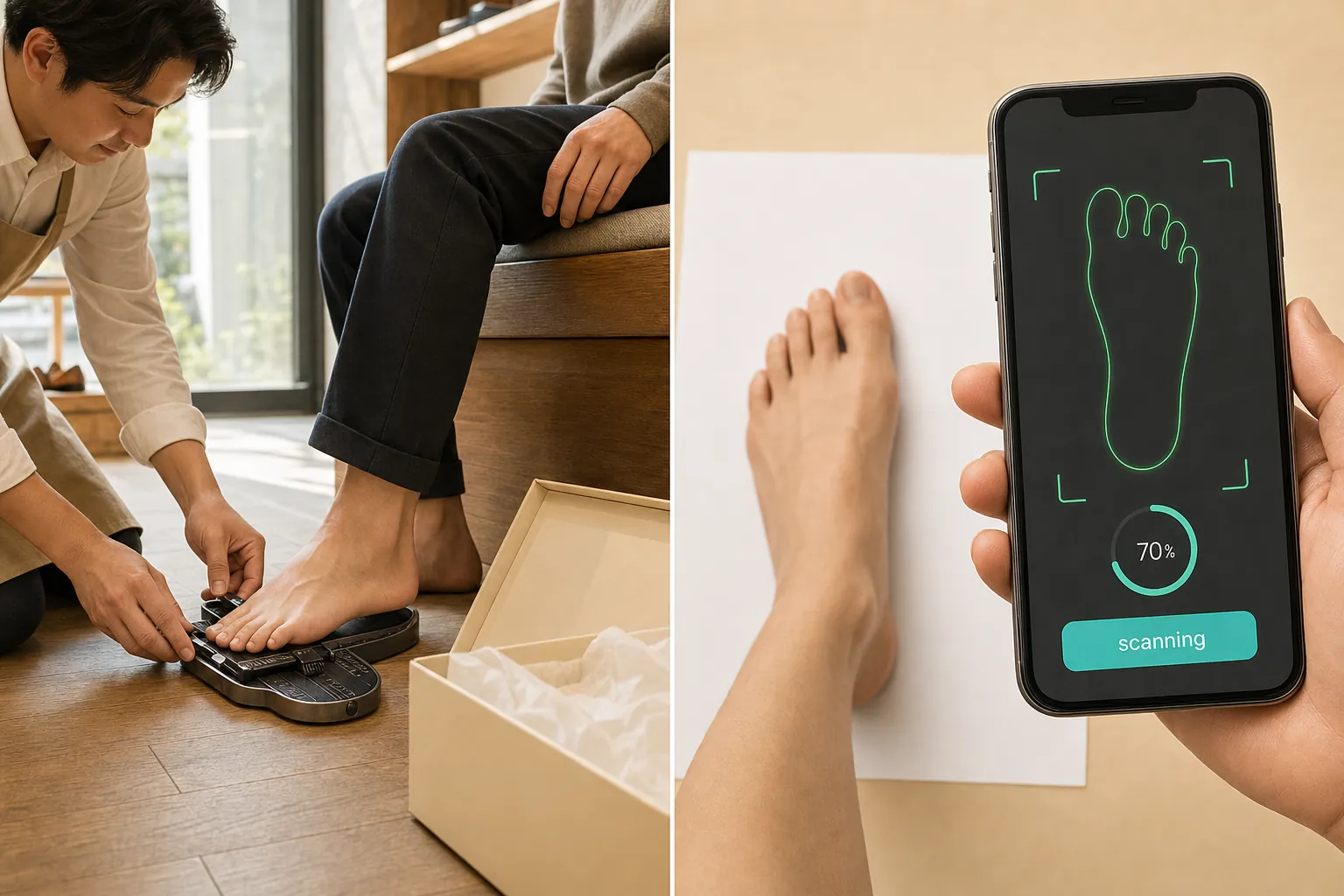
The Two-in-One Problem: How AI Foot Measurement, Brand-Specific Size Charts, and AR Try-On Eliminate Online Shoe Returns
